Henan Liyue New Energy Co., Ltd
















OEM Lithium Battery Manufacturer: Choosing the Right Manufacturing Partner
Many equipment manufacturers spend months developing a new product. However, choosing the right OEM lithium battery manufacturer is often just as important as the engineering, testing, certification, and marketing that bring that product to market.
When evaluating battery suppliers, many companies focus primarily on specifications and pricing. In reality, a battery supplier is not simply providing a component. They become part of your supply chain, influencing product quality, production capacity, delivery schedules, and long-term business growth.
That is why experienced OEM manufacturers do not simply look for a battery supplier. Instead, they look for a manufacturing partner that can support their business as it scales.
Why Many OEM Lithium Battery Manufacturers Are Only Assembly Factories
One of the biggest misconceptions among overseas buyers is assuming that every battery manufacturer actually produces battery cells.
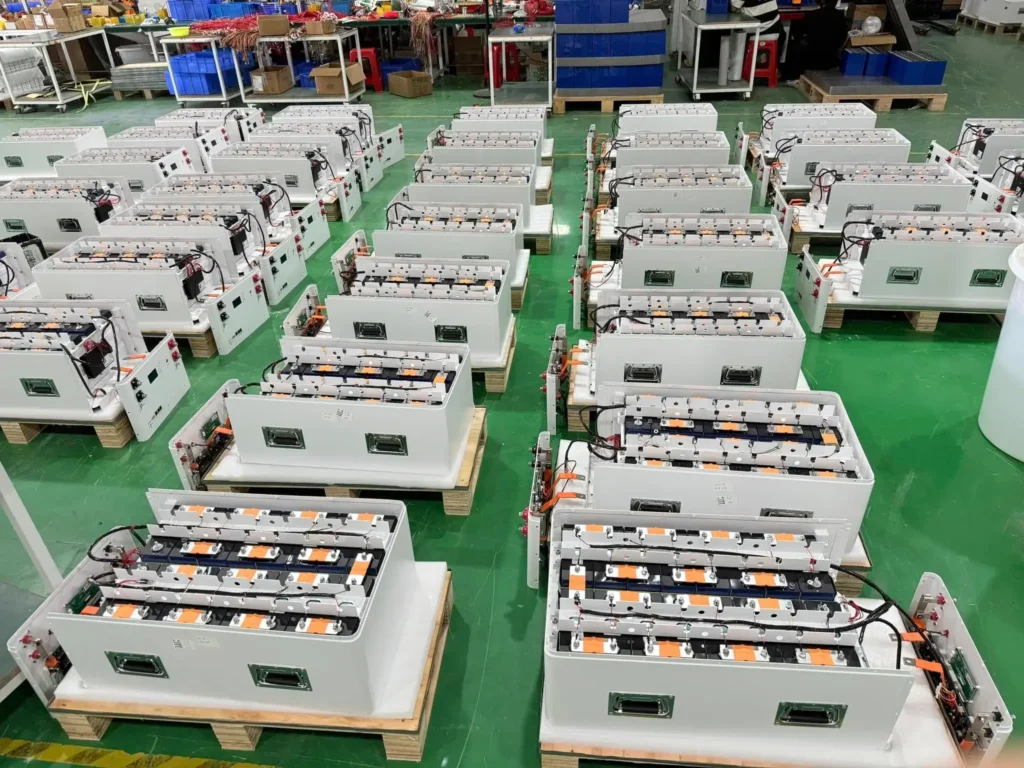
In reality, many suppliers are only battery pack assemblers. They purchase cells from different sources and assemble battery packs according to customer requirements.
While this business model can work for certain projects, it often creates challenges when demand increases or long-term product consistency becomes critical.
If cell supply changes, battery performance may also change.
In some cases, suppliers switch cell brands without prior notice, requiring additional testing and certification.
During periods of supply shortages, delivery schedules can become difficult to control.
As a result, supply chain stability becomes just as important as battery performance for OEM manufacturers planning long-term production.
Why Cell Manufacturing Matters for an OEM Lithium Battery Manufacturer
A battery pack is only as good as the cells inside it.
As an OEM lithium battery manufacturer with our own pouch cell production facility in China, we understand that long-term reliability starts at the cell level.
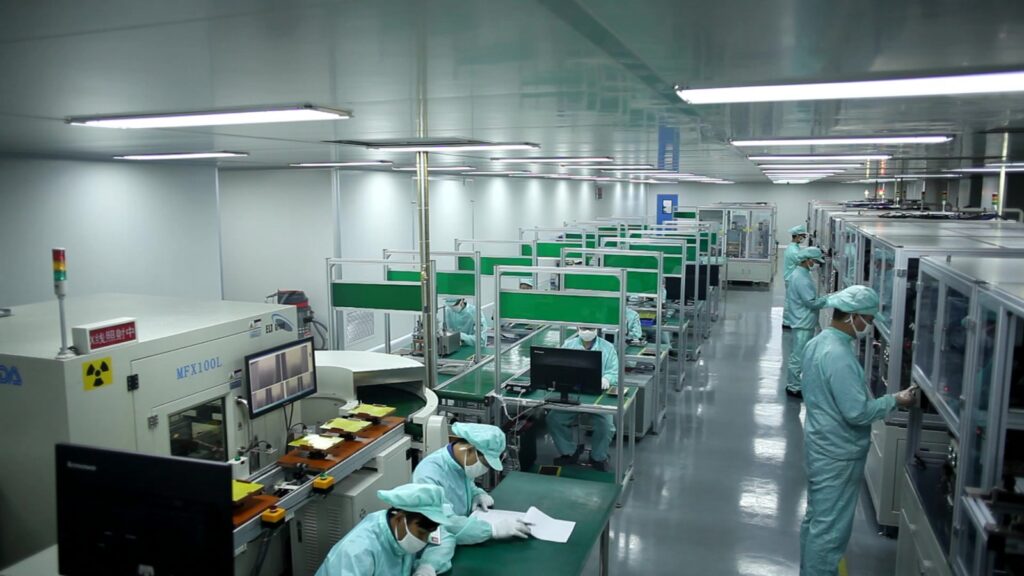
Cell manufacturing allows greater control over:
- Quality consistency
- Production scheduling
- Cell matching
- Product traceability
- Supply stability
Instead of relying entirely on third-party cell suppliers, integrated manufacturing creates a stronger foundation for OEM projects.
Furthermore, this becomes increasingly important when annual demand grows from prototype quantities to hundreds or even thousands of battery packs per year.
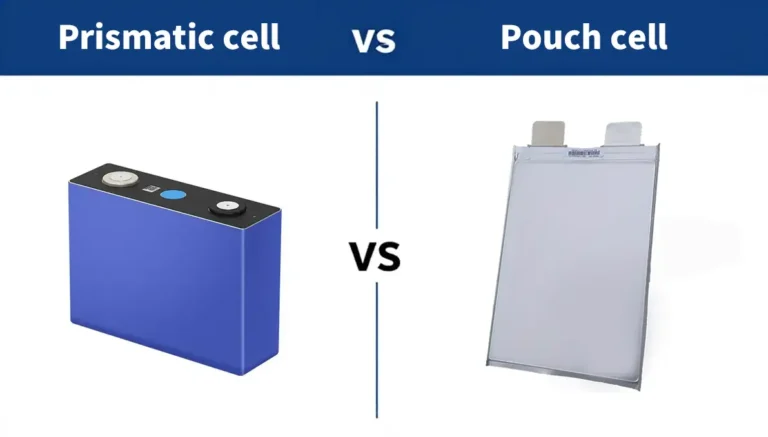
Supporting Both Pouch and Prismatic Cell Projects
Different applications require different battery architectures.
Pouch cells are often preferred when weight, energy density, and packaging flexibility are priorities.
Typical applications include:
- UTVs
- ATVs
- Golfwagen
- AGVs
- Robots
- Marine Systems
Prismatic cells, on the other hand, are commonly selected for applications requiring robust mechanical structures and larger energy storage capacities.
Typical applications include:
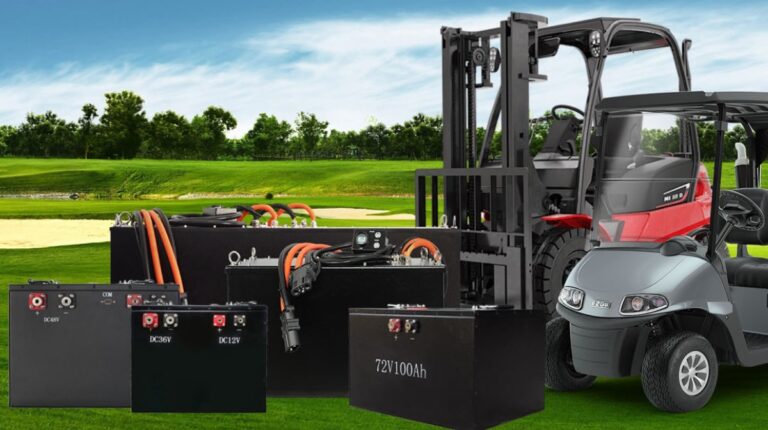
- Gabelstapler
- RV Systems
- Energy Storage Systems
- Construction Equipment
Therefore, a reliable OEM lithium battery manufacturer should be capable of supporting both technologies and recommending the most suitable solution based on the customer’s application rather than promoting a single battery format.
What to Expect from an OEM Lithium Battery Manufacturer
Every successful battery project starts with understanding the equipment.
Before designing a custom battery solution, our engineering team typically confirms:
- Vehicle or equipment type
- Operating voltage
- Continuous current
- Peak current
- Charging method
- Available installation space
- IP protection requirements
- Operating temperature range
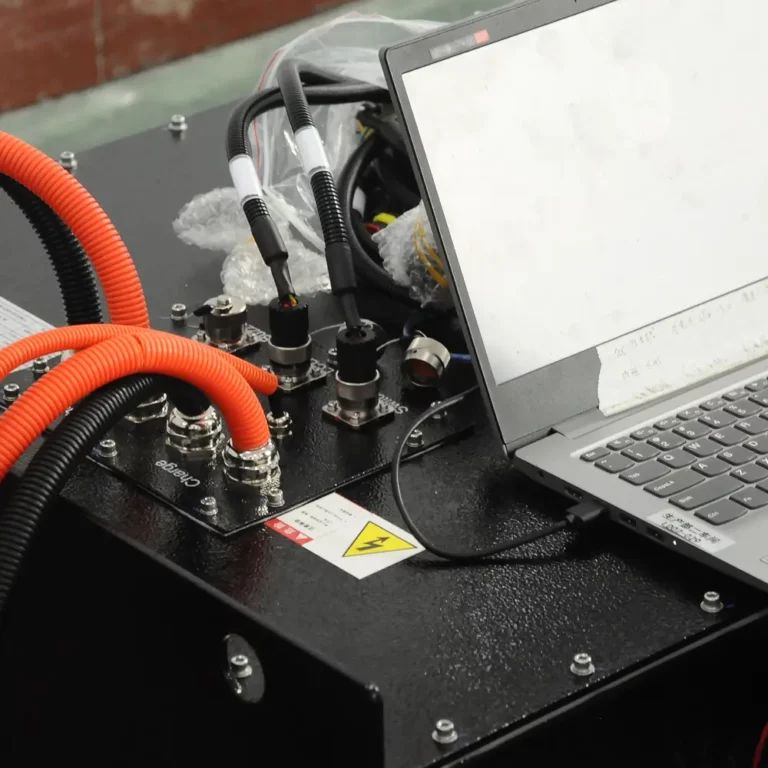
- Communication protocol (CAN, RS485, UART)
- Expected annual demand
These factors directly influence cell selection, BMS design, thermal management, enclosure design, and production planning.
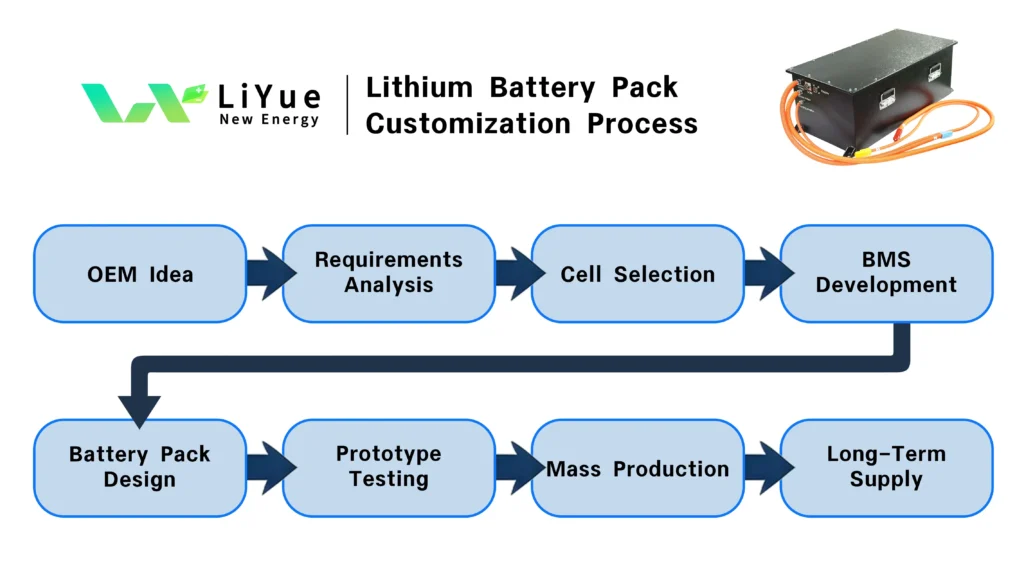
In other words, a battery pack should be designed around the equipment, not the other way around.
From Prototype to Mass Production with an OEM Lithium Battery Manufacturer
Many OEM brands begin with a small pilot order.
However, the real challenge comes when demand starts to increase.
A supplier that can successfully produce ten battery packs may not be capable of manufacturing one thousand battery packs with the same quality standards.
For this reason, manufacturing capability is often more important than sample quality alone.
A mature battery manufacturing process typically includes:
- Cell production
- Battery pack design
- BMS integration
- Prototype validation
- Environmental testing
- Production testing
- Mass production
- Long-term technical support
Consequently, OEM customers can reduce development risks while maintaining product consistency over time.
Building Long-Term Partnerships Instead of One-Time Orders
The most successful equipment manufacturers do not look for the cheapest battery supplier.
Instead, they look for a reliable long-term partner.
A battery supplier should be able to support:
- Product development
- Certification preparation
- Engineering optimization
- Production scaling
- Continuous supply
As the global transition toward electrification accelerates, lithium batteries are becoming a core component of vehicles, equipment, and energy systems.
According to the International Energy Agency (IEA), electrification continues to expand across transportation and industrial sectors. This trend is creating new opportunities for equipment manufacturers while also increasing the importance of reliable battery supply chains.
For OEM brands entering this market, choosing the right OEM lithium battery manufacturer can determine not only product performance but also long-term business success.
Ultimately, the goal is not simply to purchase a battery.
The goal is to build a reliable product, scale production with confidence, and establish a manufacturing partnership that supports future growth.