Henan Liyue New Energy Co., Ltd
















Electric Tricycle Lithium Battery | 24V-80V LiFePO4 Solutions
PRODUCT FEATURES
Description
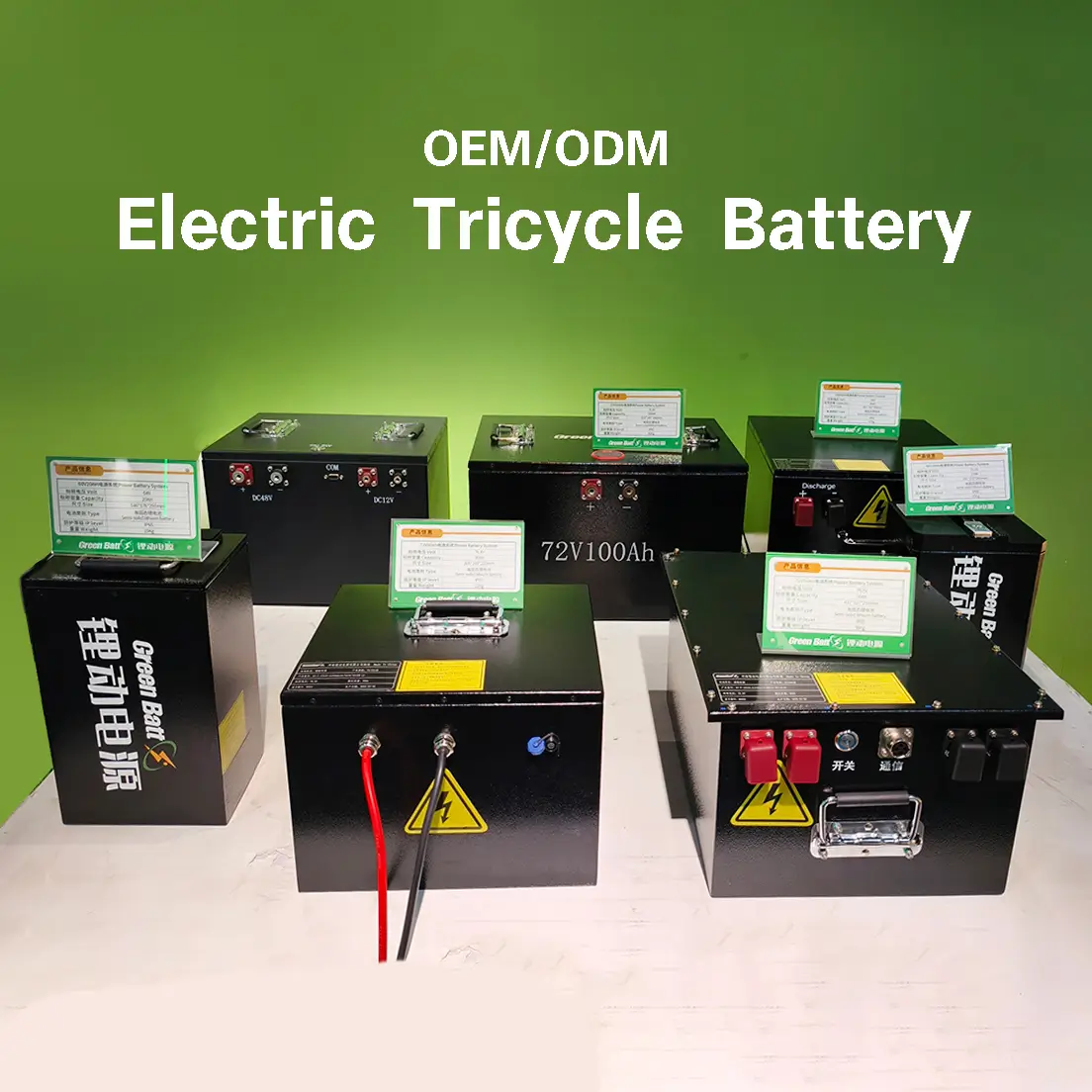
Industrial-Grade Electric Tricycle Lithium Battery
Precision-Engineered for Demanding Vehicle Applications
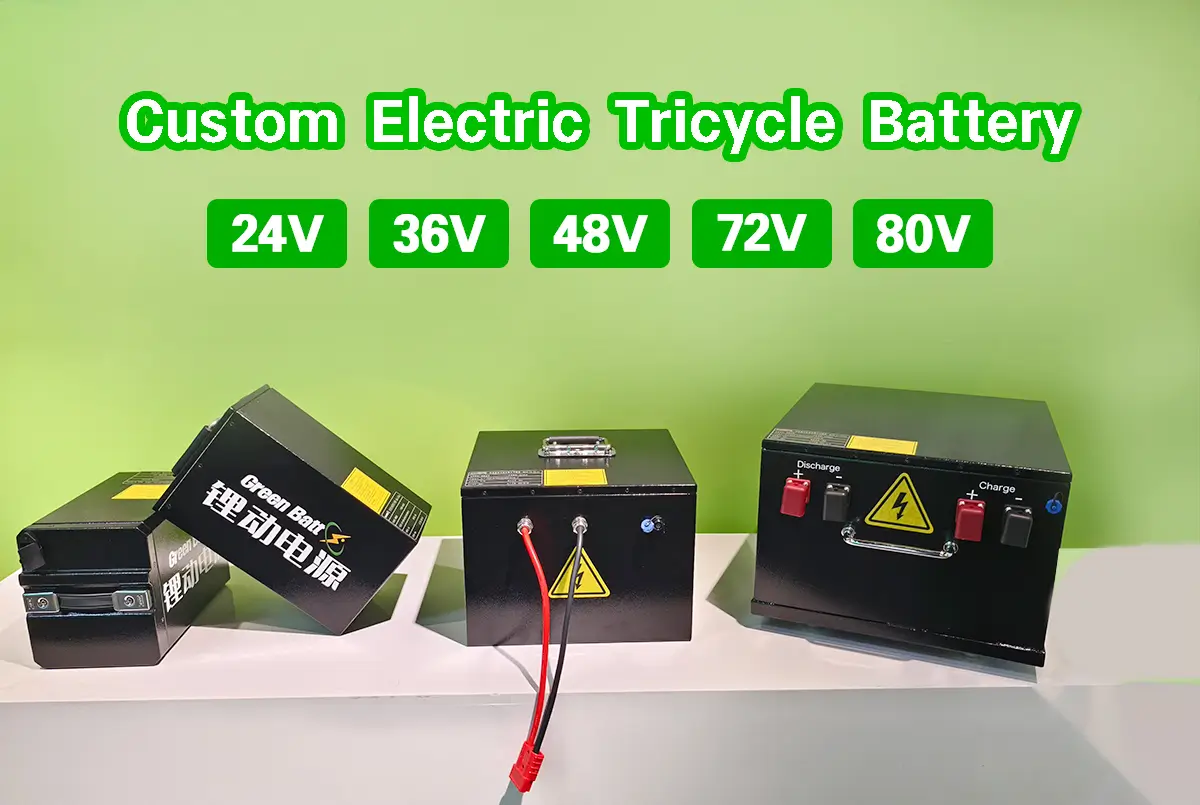
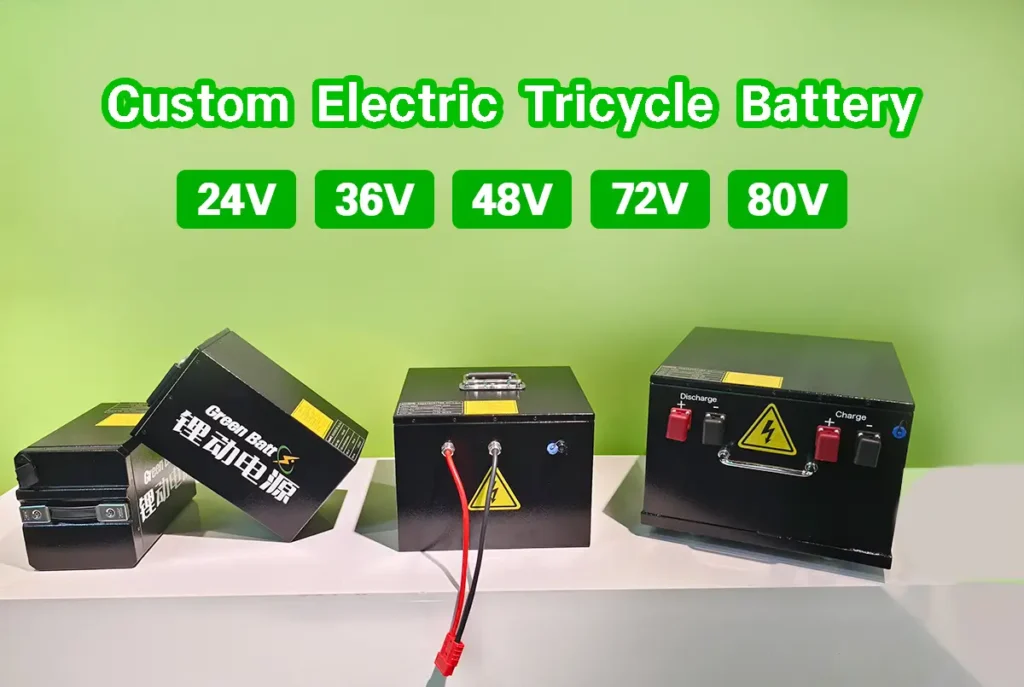
This advanced lithium iron phosphate (LiFePO4) electric tricycle lithium battery outperforms lead-acid alternatives with superior power density and safety. Featuring vehicle-specific BMS technology and high-rate discharge capability, it’s the ultimate solution for cargo transport, passenger trikes, electric tricycle&motorcycle and low speed electric vehicles.
Core Advantages
▶️Superior Power Delivery
- 3C continuous discharge enables heavy-load hill climbing
- 5C peak current provides instant acceleration
▶️Enhanced Durability
- Shockproof construction withstands rough terrain (tested per GB/T 31467.3)
- IP67 waterproof rating resists heavy rain and mud
▶️Extended Service Life
- 3,000+ deep cycles at 80% discharge depth
- Smart cell balancing prevents premature aging
▶️Comprehensive Safety
- Six-protection BMS prevents overcharge/discharge
- Wide temperature range (-20°C~60°C)
Technical Specifications
| Parameter | Specification | Industry Standard |
|---|---|---|
| Cell Type | Automotive LiFePO4 | SLA |
| Energy Density | 155-165Wh/kg | 30-40Wh/kg |
| Cycle Life | 3,000+ @80% DOD | 500-800 cycles |
| Self-Discharge | <2.5%/month | >15%/month |
| Recharge Time | 3 hours (20A charger) | 8-12 hours |
Why Global Fleets Trust Our Batteries
- Full Voltage Coverage: 24V/36V/48V/60V/72V/80V systems
- Proven Reliability: 98.3% field success rate in 2023
- Zero-Modification Fitment: Compatible with major controllers (Example: Curtis 1234E)
“These batteries increased our fleet’s daily range by 40% while cutting energy costs by 65%.”
— Operational Report, Southeast Asia Logistics Group
Application Scenarios
• Heavy-load cargo trikes (1,000kg+)
• Passenger transport rickshaws
• Electric tricycle&motorcycle&bike
• Low speed electric vehicle
Customization Workflow
- Voltage Selection: 24V-80V based on controller specs
- Capacity Matching: 20Ah-200Ah for required range
- Submit Requirements: Contact Engineering Team
Limited Promotion: First 50 orders receive free Bluetooth monitor (Value $45)
FAQs
Is this battery suitable for my tricycle?
You need to confirm the model of your tricycle, the motor power and the original battery specifications (such as voltage 48V/60V/72V, capacity 20Ah/32Ah, etc.).
Our batteries support mainstream tricycle models, please check the attached specifications to find the model that suits you. We will also match you with a model that is compatible with power and size according to your needs.
Which is more suitable for me, a lithium battery or a lead-acid battery?
Lead-acid battery: High cost-effectiveness (priced at about 1/3 to 1/2 of a lithium battery), suitable for short-distance transportation (range 50-80 km), easy to maintain, but heavy (about 25-50 kg) with a lifespan of 1-2 years.
Lithium battery: Lightweight (only 1/3 the weight of a lead-acid battery), longer range (80-150 km), supports fast charging, lifespan of 3-5 years, but higher cost. It requires avoiding overcharging and deep discharging.
If you often travel long distances or prioritize portability, a lithium battery is more suitable. If you have a limited budget and low usage frequency, a lead-acid battery is more economical.
How far can it travel after fully charging?
The range is affected by battery capacity, motor power, load, and road conditions. With a lithium battery of 60V32Ah, the range can reach 80-120 kilometers.
How do you maintain the lithium battery?
For long-term storage, it is recommended to keep the battery at 40%-60%;
When not in use, charge it once every 3 months to prevent the battery from running out of power;
When charging, use the matching lithium battery charger to avoid overcharging.
Will the battery life decrease in winter?
Yes. The battery life of lead-acid batteries may decrease by 30%-40% at -10℃, and that of lithium batteries by 20%-30%. This is a normal physical phenomenon. It is recommended to move the battery indoors (above 5℃) when charging in winter, avoid outdoor storage, and charge it in time after use to reduce power loss.