Henan Liyue nuova energia Co., Ltd
















How OEM Manufacturers Can Build Reliable Custom Lithium Battery Systems
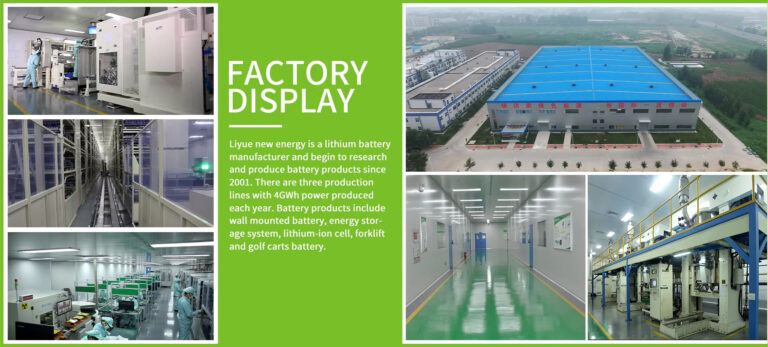
To begin, we are a pouch cell manufacturing facility that frequently designs custom lithium battery systems for clients. We understand that for many OEM manufacturers, the battery itself is not their final product; yet, it can very easily evolve into the most challenging hurdle within their entire product ecosystem.
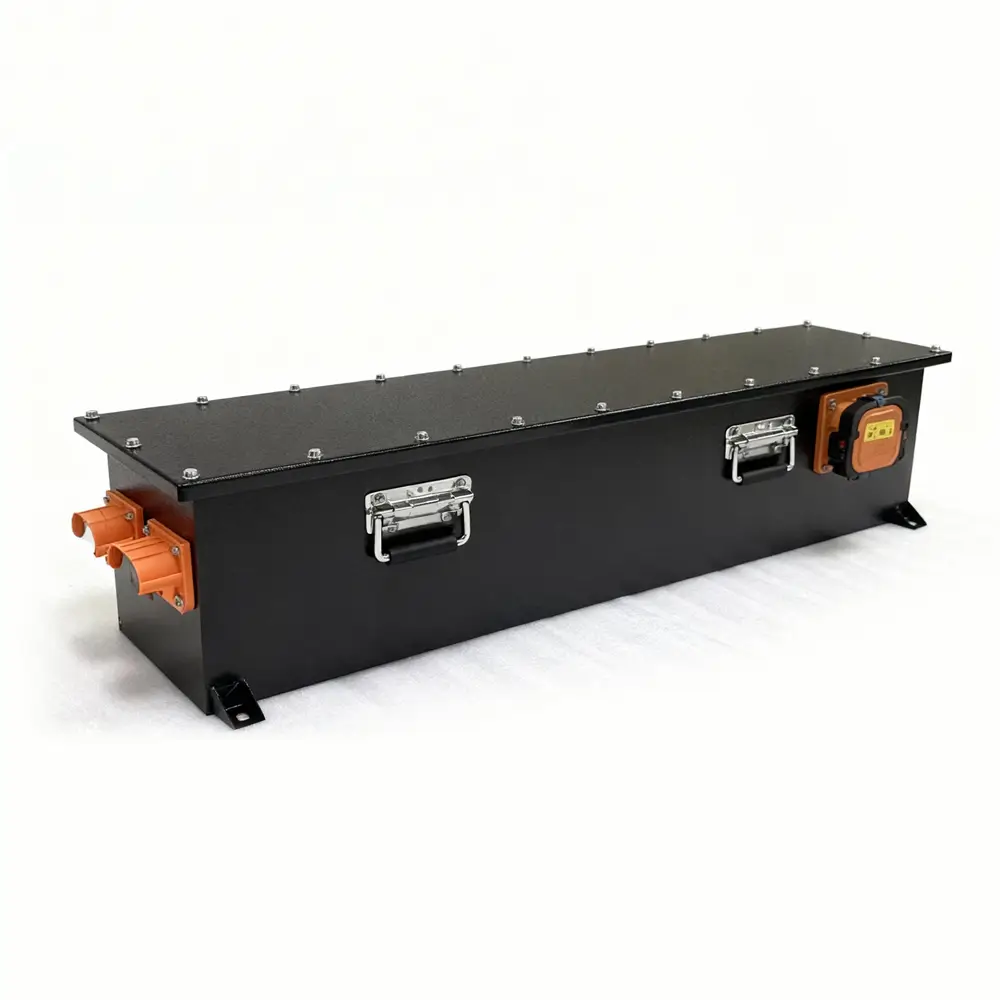
From forklifts and AGVs to electric mobility and marine applications, lithium battery systems are now a core part of modern equipment. Yet many companies still struggle with the same issues: unstable performance, inconsistent batches, and unexpected failures after deployment.
In most cases, the problem is not lithium technology itself.
It is how the battery system is designed, built, and managed.
1. A Battery Is Not Just a Component — It’s a System
Many OEMs approach batteries as a standard component:
select a voltage, choose a capacity, and integrate it into the machine.
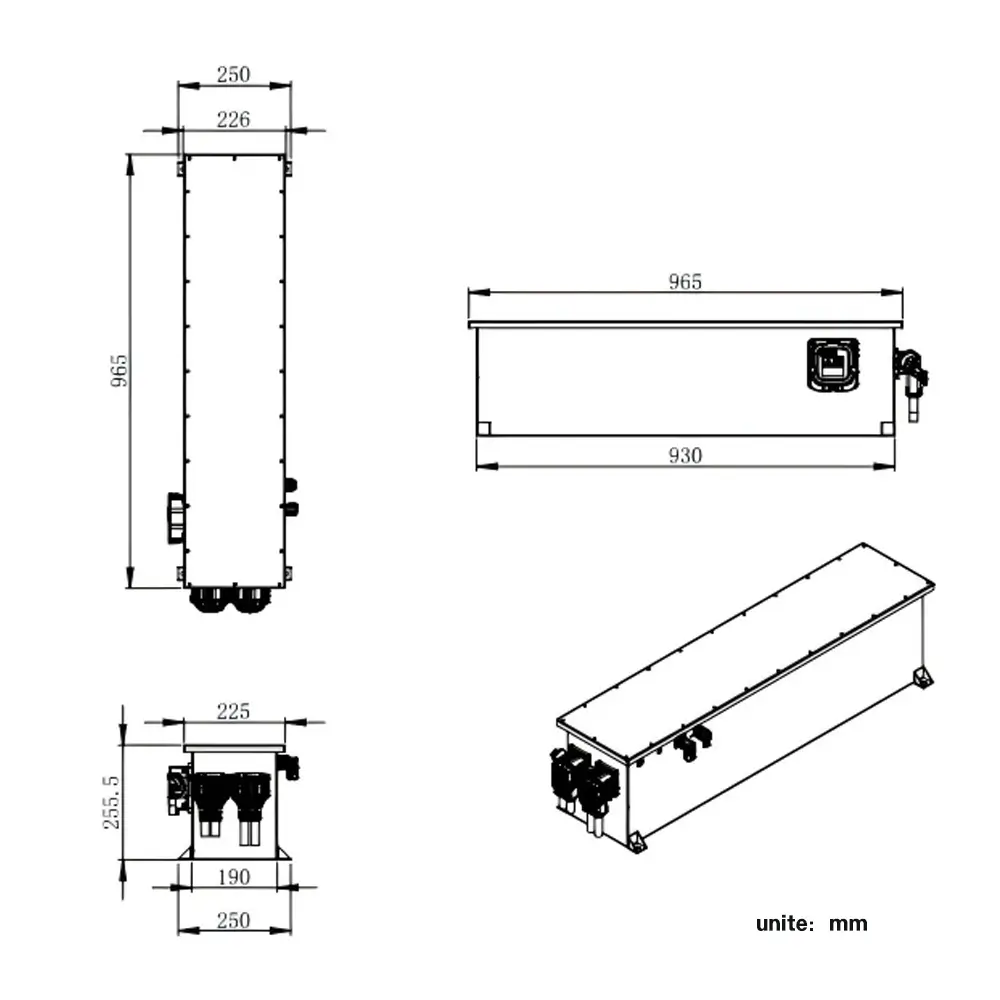
This works in simple scenarios. But in real-world applications, especially under continuous or high-load operation, a battery behaves as a system—not just a part.
A reliable custom lithium battery systems depends on:
- Cell consistency across the entire pack
- Proper matching of voltage, capacity, and internal resistance
- Stable thermal behavior under load
- A well-designed BMS that reflects real usage conditions
If any of these elements are not properly controlled, problems may not appear immediately—but they will surface over time.
2. Most Failures Come From Inconsistency, Not Design
One of the most common misunderstandings is that battery failures are caused by “design flaws.”
In reality, many failures are caused by inconsistency.
This includes:
- Variations in cell quality between batches
- Mixing cells with different internal resistance
- Using aged or partially degraded inventory
- Lack of proper sorting and matching
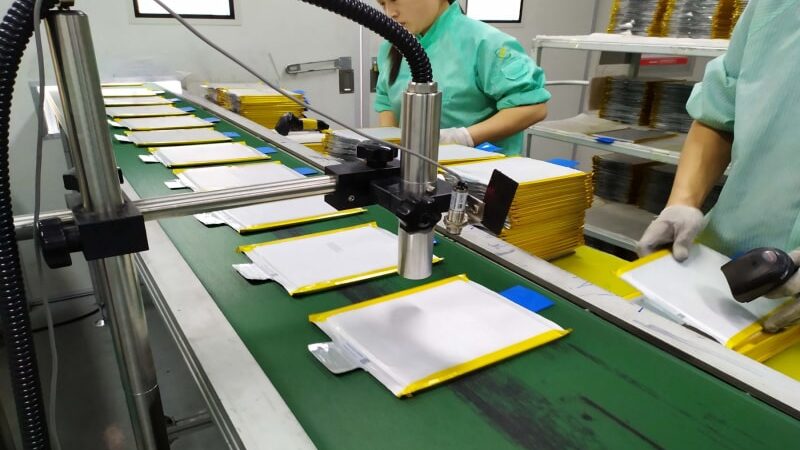

In early testing, these differences are difficult to detect.
But after months of operation, especially in demanding applications like AGVs or industrial equipment, these inconsistencies begin to accumulate. The result is:
- Imbalance within the battery pack
- Reduced effective capacity
- Increased stress on individual cells
- Higher failure rates over time
For OEM manufacturers, this leads to warranty costs, service complexity, and customer dissatisfaction.
3. What OEMs Should Look for in a Custom Battery Partner
Choosing a battery supplier is not just about price or specifications.
It is about finding a partner who can deliver consistent results over time.
In practice, there are three things that matter most:
First, control over cell quality.
Suppliers who understand and manage cell selection at the source are more likely to deliver stable lithium battery system.
Second, a clear and structured production process.
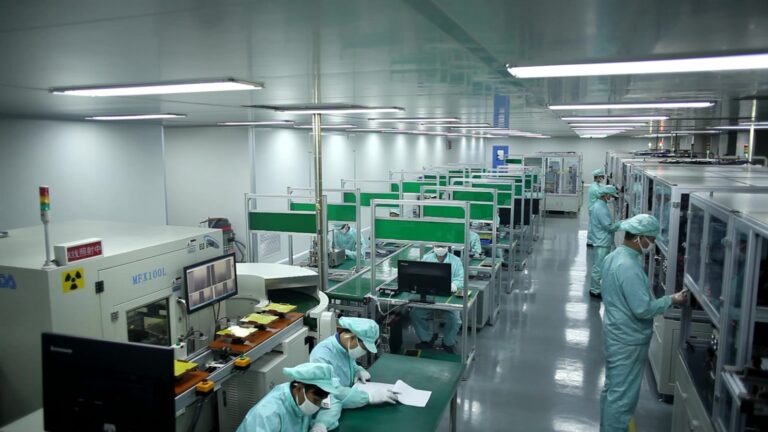
From prototype development to mass production, process consistency is paramount. We begin by thoroughly understanding the specific application scenario for your product, extracting and analyzing relevant data from that context. We then select a suitable cell type from our extensive internal database—which comprises tens of thousands of cell specifications—to construct multiple battery modules. By configuring these modules in series and parallel arrangements, we assemble a complete lithium battery system prototype for client review. Once the client expresses satisfaction, we proceed to mass production on our manufacturing lines.
Third, real application experience.
Battery systems behave differently depending on how they are used. A supplier who understands real-world conditions can prevent problems before they happen.
👉 Instead of just quoting a battery, we prefer to understand your application first—so we can make sure the system is stable in real use.
FAQ: Common Questions About Custom Lithium Battery Systems
Q1: What makes a custom battery system more reliable than a standard one?
A properly designed custom lithium battery system is optimized for specific operating conditions, including load, duty cycle, and environment.
Q2: Why do some battery packs perform well in samples but fail in mass production?
This is often due to inconsistency in cell quality or lack of process control during scaling.
Q3: How important is cell matching in battery performance?
Very important. Poor matching leads to imbalance, reduced lifespan, and increased failure risk.
Q4: Can I reduce cost by using lower-grade cells?
Short-term cost may decrease, but long-term reliability and warranty costs usually increase.
Q5: What should I prepare before developing a custom battery system?
Clear information about your application, including load requirements, usage patterns, and environmental conditions.
Let’s Talk About Your Application
If you are working on a custom battery system and want to improve stability, consistency, or long-term performance, we are open to discussing practical solutions based on real production experience.