เหอหนาน Liyue ใหม่พลังงาน Co., Ltd
















A‑Grade Lithium Battery Cells – Why Cheap Batteries Cost More
Introduction
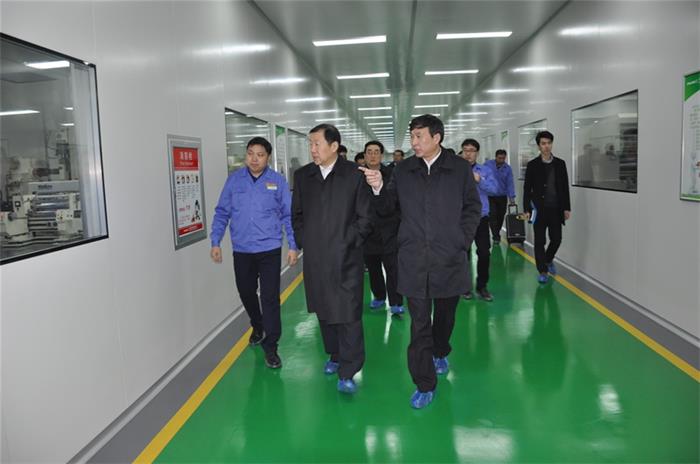
We have run a lithium battery factory in China since 2001. We started with small pouch cells for consumer electronics and light electric devices.
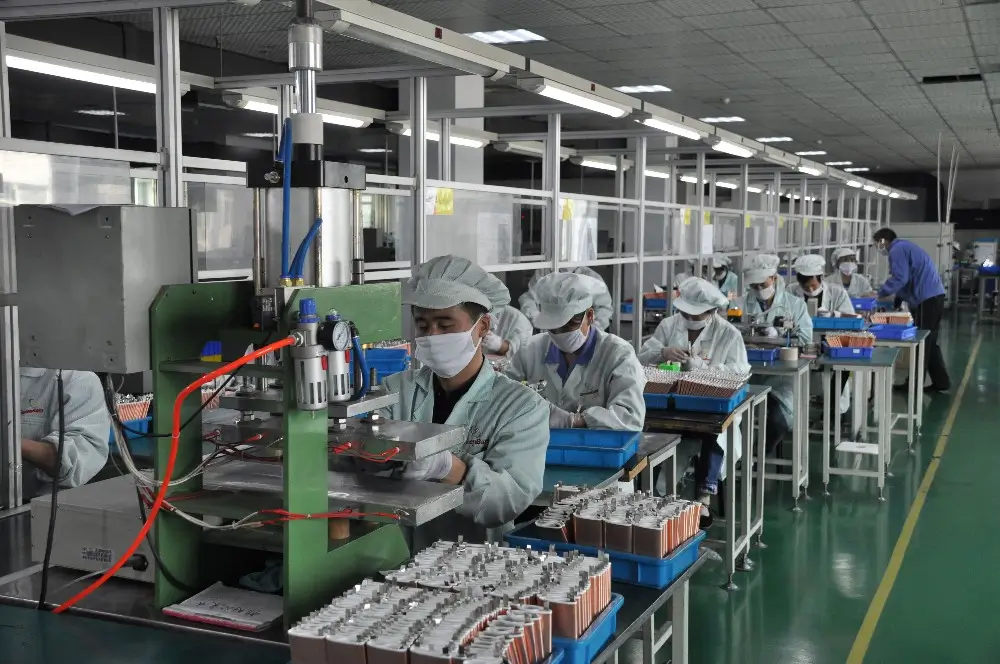
Over time, we upgraded our technology and now also produce large pouch cells for energy storage and EV applications. After more than two decades, we know exactly what a high‑quality lithium battery cell costs to manufacture. This article explains why some batteries sell at suspiciously low prices – and what you should always check before buying.
Cell Manufacturing vs. PACK Assembly: A Critical Difference
To understand pricing, you first need to know the difference between cell manufacturing และ PACK assembly.
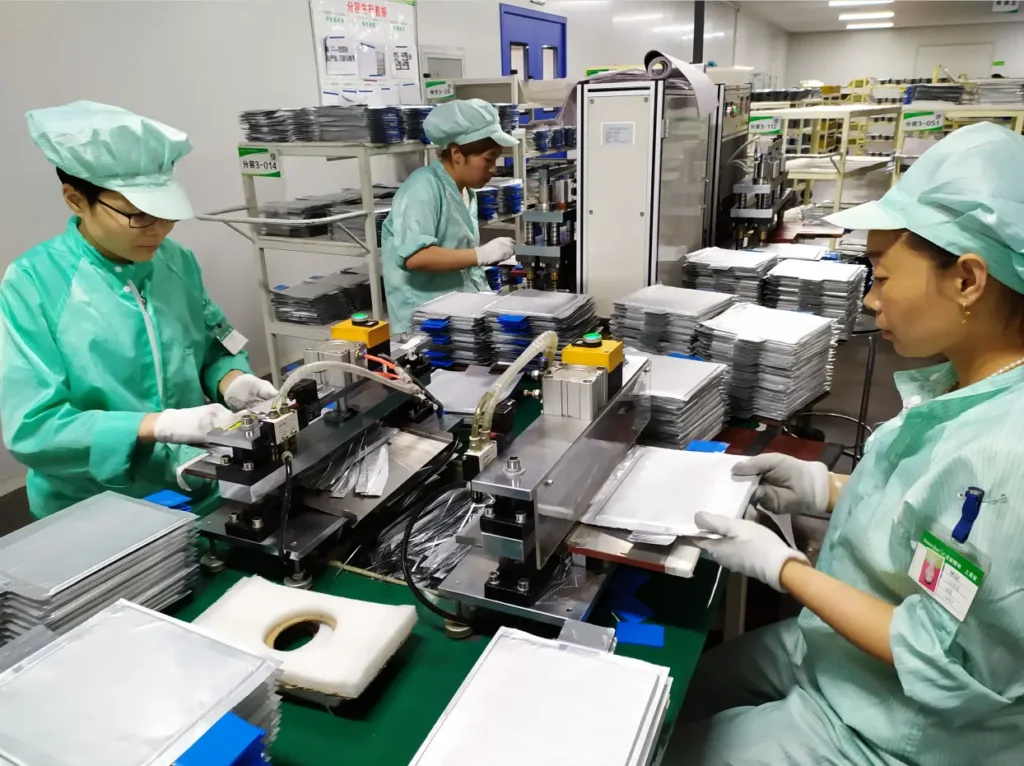
Cell production is highly complex and capital-intensive. It requires strict environmental control, precision equipment, and consistent process management. Temperature, humidity, material purity, and production accuracy all directly affect performance and lifespan.
In contrast, PACK assembly is relatively simple. A company can purchase cells, combine them with a battery management system (BMS), housing, and connectors, and assemble a finished product.
Because of this low barrier to entry, many PACK companies—especially in manufacturing hubs like Shenzhen—focus on sourcing the cheapest available cells. They then package and sell them as complete battery systems.
Here is the key point:
Cells account for the majority of the battery cost.
As a result, when a battery is unusually cheap, the cost reduction almost always comes from the cells—not logistics, not marketing, and not margins.
How We Control Quality From Start to Finish
From the beginning, we chose a different path. Instead of relying on external suppliers, we invested in our own cell production lines to control quality at the source.
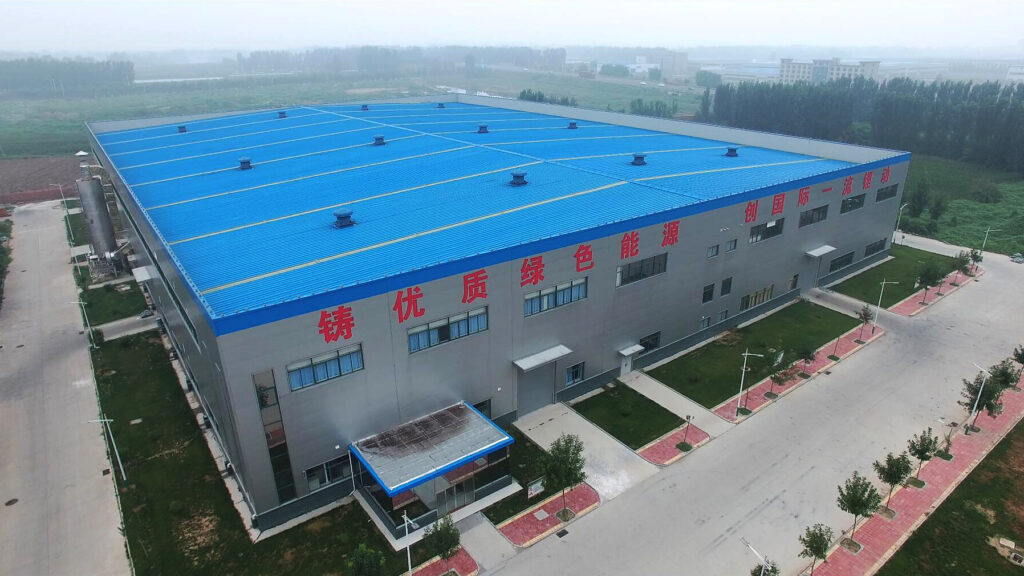
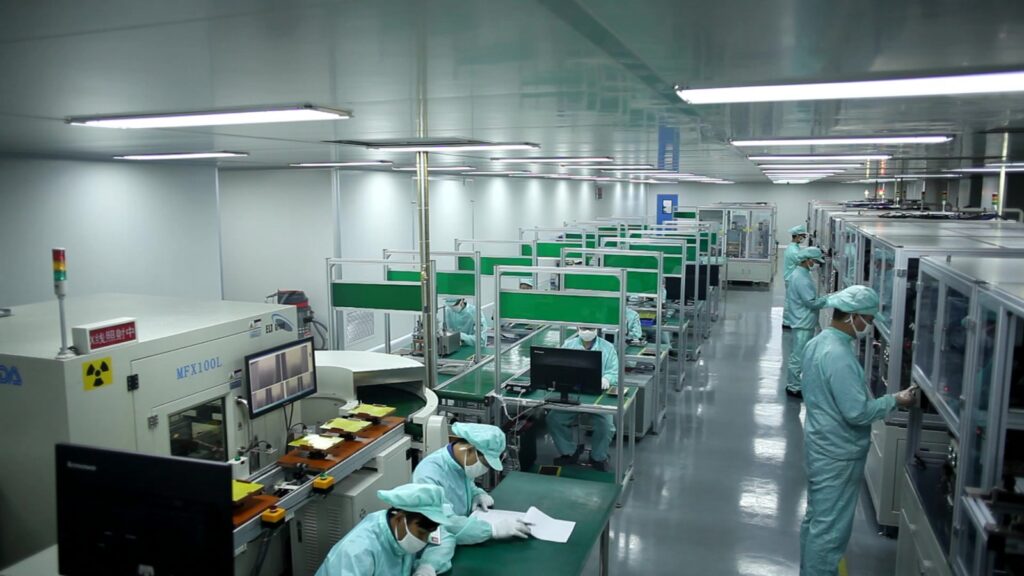
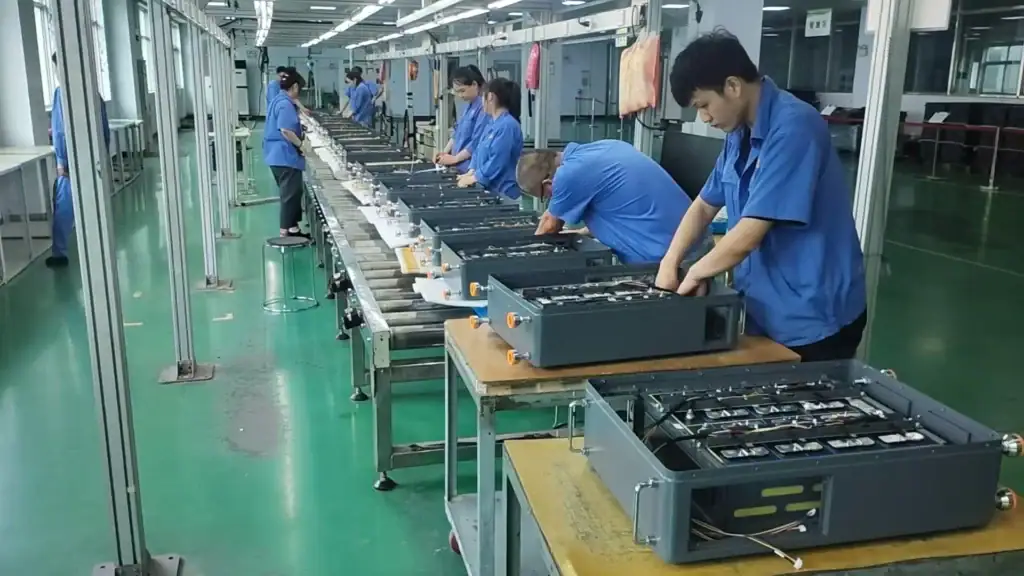
Our process is straightforward but strict:
1. Small-batch testing (Workshop 1)
We begin every project with a pilot run. Samples are produced and tested for voltage, capacity, internal resistance, and cycle life. These samples are also sent to the customer for validation.
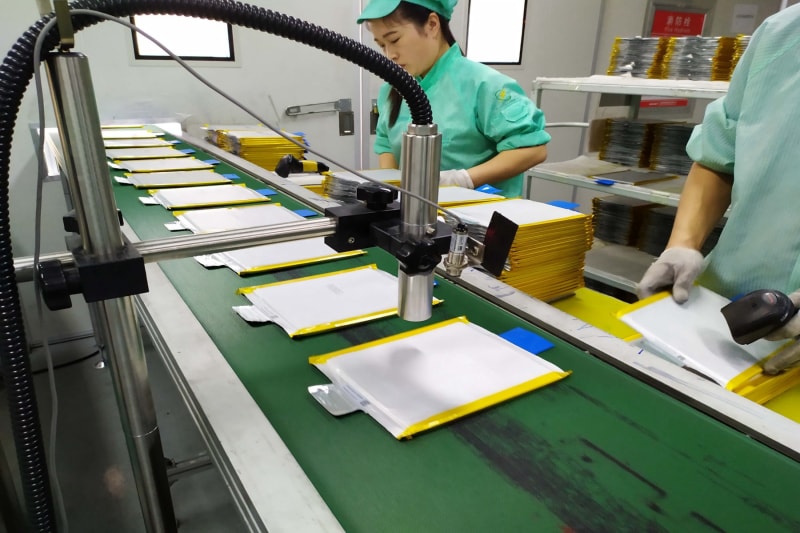
2. Mass production (Workshop 3)
Once the samples are approved, we move to full-scale manufacturing. Every step is standardized to ensure consistency across large volumes.
3. PACK assembly (Workshop 2)
Finally, the cells are assembled into battery packs. In addition, we can integrate prismatic cells if required for specific applications.
Because we control the entire process, we know exactly where costs come from. Therefore, if a supplier offers prices 20–30% lower than ours, it almost certainly means compromises have been made at the cell level.
The Truth About Lithium Cell Grades
Many buyers are familiar with terms like A-grade or B-grade. In reality, the classification system is far more nuanced.
Here is what those labels usually mean in practice:
- A+ Grade
Top-tier cells reserved for automotive manufacturers. Rarely available on the open market. - A Grade
Brand-new cells that meet all specifications. They offer low internal resistance and long cycle life (typically 6000–8000 cycles). - A- Grade
Cells that barely pass quality thresholds. Performance is less stable, and lifespan is shorter. - Stock Cells (with barcode)
These may look new, but they have often been stored for months. Over time, lithium batteries degrade even without use. - B Grade
Cells that failed certain tests. Higher risk of early failure. - C Grade
Cells with visible defects. While cheaper, they are unreliable in long-term use. - Recycled / Second-life Cells
Extracted from used EV batteries or scrap systems. Although inexpensive, safety and remaining lifespan are uncertain.
At our factory, we only use fresh A-grade cells. We also match them carefully by capacity, voltage, and internal resistance. This consistency is essential for building stable battery packs that last for years.
A Real Case: When Cheap Becomes Expensive
One of our partners once purchased a container of low-cost batteries from another supplier. Initially, the decision seemed profitable.
However, within 18 months, around 15% of those batteries failed.
As a result, the distributor had to cover replacement costs, labor for reinstallation, and shipping expenses. In the end, the total loss far exceeded the initial savings.
More importantly, customer trust was damaged—and that is far harder to recover.
In markets like Europe or North America, reputation can take years to build but only months to lose. Saving a few dollars upfront can easily turn into hundreds of dollars in warranty costs later.
Three Questions You Should Always Ask a Supplier
Before choosing a battery supplier, it is essential to ask the right questions.
1. What is the exact cell grade and origin?
Do not accept vague answers like “A-grade.” Ask for detailed test reports, including capacity, internal resistance, and matching data.
2. What is the production date?
Lithium cells degrade over time, even in storage. Ideally, cells should be used within six months of production.
3. What is your real warranty return rate after two years?
No manufacturer has a zero failure rate. Honest suppliers track and share this data transparently.
If a seller avoids these questions or provides unclear answers, that is usually a warning sign.
About Us: Liyue Battery
We are Liyue Battery, a manufacturer specializing in pouch cell technology. Since 2001, we have evolved from small consumer cells to advanced Lithium Battery System Solutions.
Unlike many suppliers, we focus on long-term partnerships rather than short-term sales.
Here is what we offer:
- Fresh A-grade cells only (no A-, no aged stock)
- Direct factory pricing with no intermediaries
- Full in-house production—from cells to complete battery packs
- A non-competing partnership model (we do not sell finished packs under our own brand)
Our pricing may not be the lowest on the market. However, that is because high-quality cells have a real, unavoidable cost.